Article

How Edconic Solves the Biggest Problems Facing Young People and Employers

Edconic Editorial

Young people today face a job market that is becoming increasingly difficult to enter. Although employers are struggling to find well prepared candidates with the skills and experience they need, pathways into the workplace that provide this are declining.

These challenges are deeply connected. At Edconic, we exist to bridge that gap. Hear from Brandon Busteed, CEO of Edconic, as he shares why strengthening the connection between education and career readiness is critical to helping the next generation succeed.


“We are witnessing the collapse of early career opportunities. Teen jobs are down, internships are increasingly scarce, and entry level roles are being disrupted by technology, including AI.”

– Brandon Busteed, CEO, Edconic

Millions of students seek internships each year, yet only a fraction are successful. In the United States, 8.2 million college students wanted internships last year, but only 3.6 million secured a place.

Competition is fierce and access is limited. The consequence is clear—young people are entering adulthood with less experience than ever, leaving employers with a shrinking pool of entry-level talent.

Edconic provides a scalable, high-quality solution to this systemic problem. Our programs are immersive experiences that replicate and exposure students to respected industries, often exceeding the core benefits of a strong internship.

“We’ve built a model that is far more scalable than what most companies can provide on their own. Even major global organizations struggle to run internship programs at scale.”

Learning Through Industry Immersion

Our programs give students real exposure to world leading organizations.

They learn inside newsrooms, stadiums, auction houses, creative studios and production offices. They gain visibility into the full ecosystem of an industry rather than a narrow window into one department.

Students attending Manchester City explore everything from performance nutrition to media management.

Those participating in programs with The New York Times step inside the newsroom and archives.

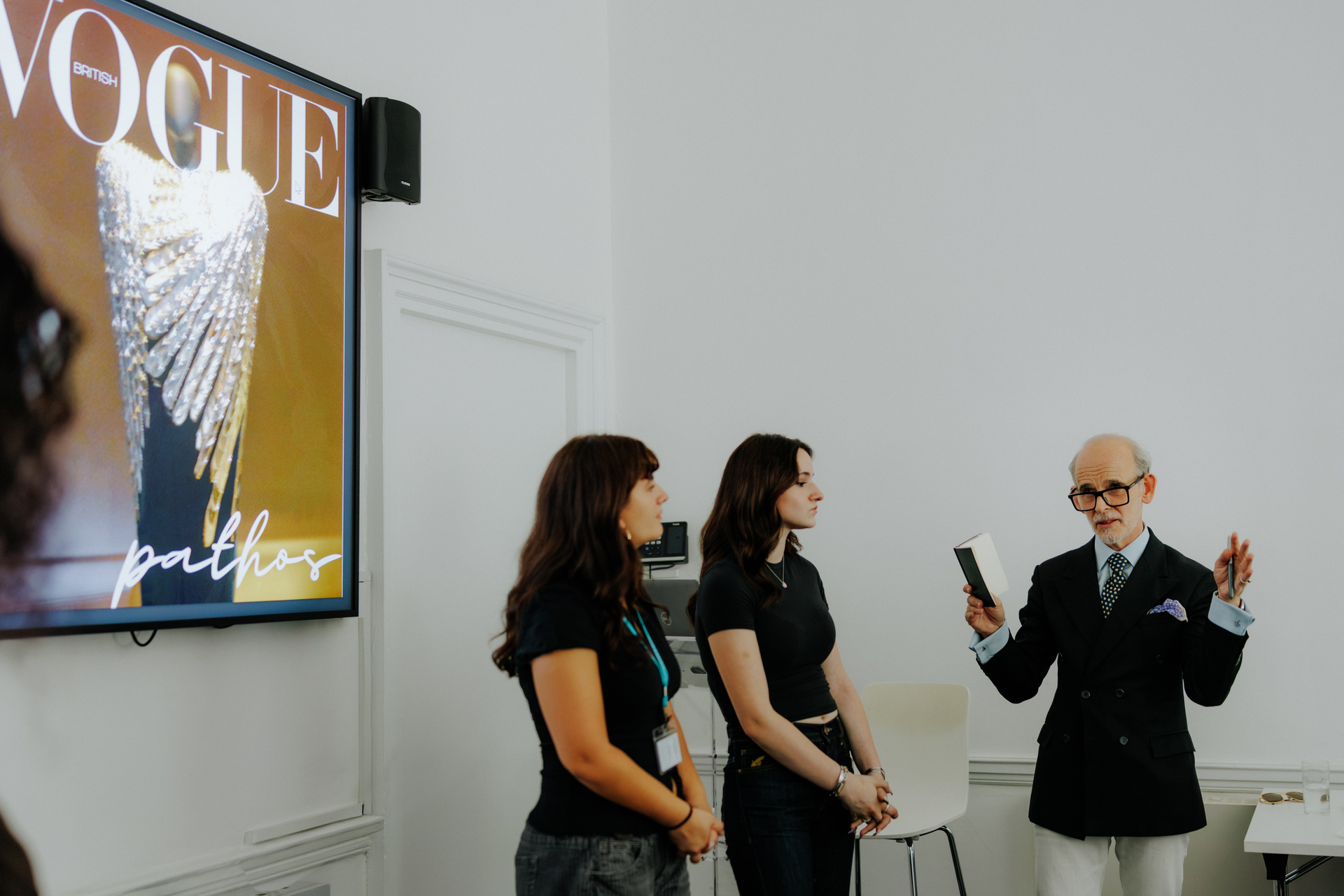
At Vogue College of Fashion, they meet creative leaders whose influence shapes global trends.
This is not observation from afar. It is learning through immersion.

Students work on real projects, collaborate in teams and receive structured, iterative feedback from experts.

Developing the Next Generation of Talent

The experience helps students grow into professionals who think critically, present confidently and navigate build the capabilities that employers value most and often struggle to teach after hiring.
Brandon puts it plainly.

“If organizations want great mid-level employees, they need to invest in early talent experiences. Without the first rung of the ladder, nobody can climb.”

Beyond skills, our programs offer something that is harder to quantify but is equally important: inspiration. When students walk into a place like the Etihad Stadium, a Sotheby’s auction house or a world-renowned newsroom, they can imagine exciting career opportunities. We also place students in dynamic cities including London and New York, renowned for the energy and culture that makes success tangible.

Building Career Momentum Through Recognized Brands

“Part of talent development is inspiration. Students need to be able to imagine themselves in these roles. They need to see the people who have succeeded and understand how they got there.”

The impact of an Edconic experience doesn’t end when the program does. Students leave with connections, confidence, and an experience that stands out on their resumes. The brand names themselves carry weight.

“Everybody recognizes names like Vogue, Manchester City and The New York Times. When those appear on a resume, people pay attention.”

This recognition continues to benefit students long after their time with us.
Edconic is not simply filling a gap left by the decline of internships. We are redefining what early career preparation looks like.

For young people and employers alike, Edconic’s model is becoming not just an alternative, but a necessary solution.